COI vs. Six-Pack: What New Boat Tour Operators Need to Know About USCG Regulations
If you're getting into the boat tour business, there's a question you need to answer before you spend a single dollar on a vessel: are you going the COI route or the Six-Pack route?
This isn't a minor detail. It's the single most important regulatory decision you'll make, and it affects what boat you buy, what license you need, how many passengers you can carry, what your insurance costs, and how the Coast Guard treats your operation. I've seen people buy beautiful boats only to discover they can't legally use them for the business they had in mind.
Let's break this down in plain English.
What "Six-Pack" Actually Means
A Six-Pack operation is the simplest way to run a for-hire boat business. The name comes from the passenger limit: you can carry up to six paying passengers (plus crew) on an uninspected vessel.
The captain needs an OUPV license, which stands for Operator of Uninspected Passenger Vessels. In the industry, everyone just calls it a "Six-Pack license" or "Six-Pack captain's license."
Here's what makes Six-Pack appealing for new operators:
The boat doesn't need a Coast Guard inspection. Your vessel is classified as an uninspected passenger vessel (UPV). You still need to meet basic safety equipment requirements, but you don't go through the formal USCG inspection process. No hauling out for hull inspections. No stability tests. No annual reinspection.
The license is easier to get. An OUPV/Six-Pack license requires 360 days of documented boating experience (with at least 90 days in the last 3 years), passing a written exam, a physical exam, a drug test, and a background check. Most people can get this done in a few months of study plus their existing experience.
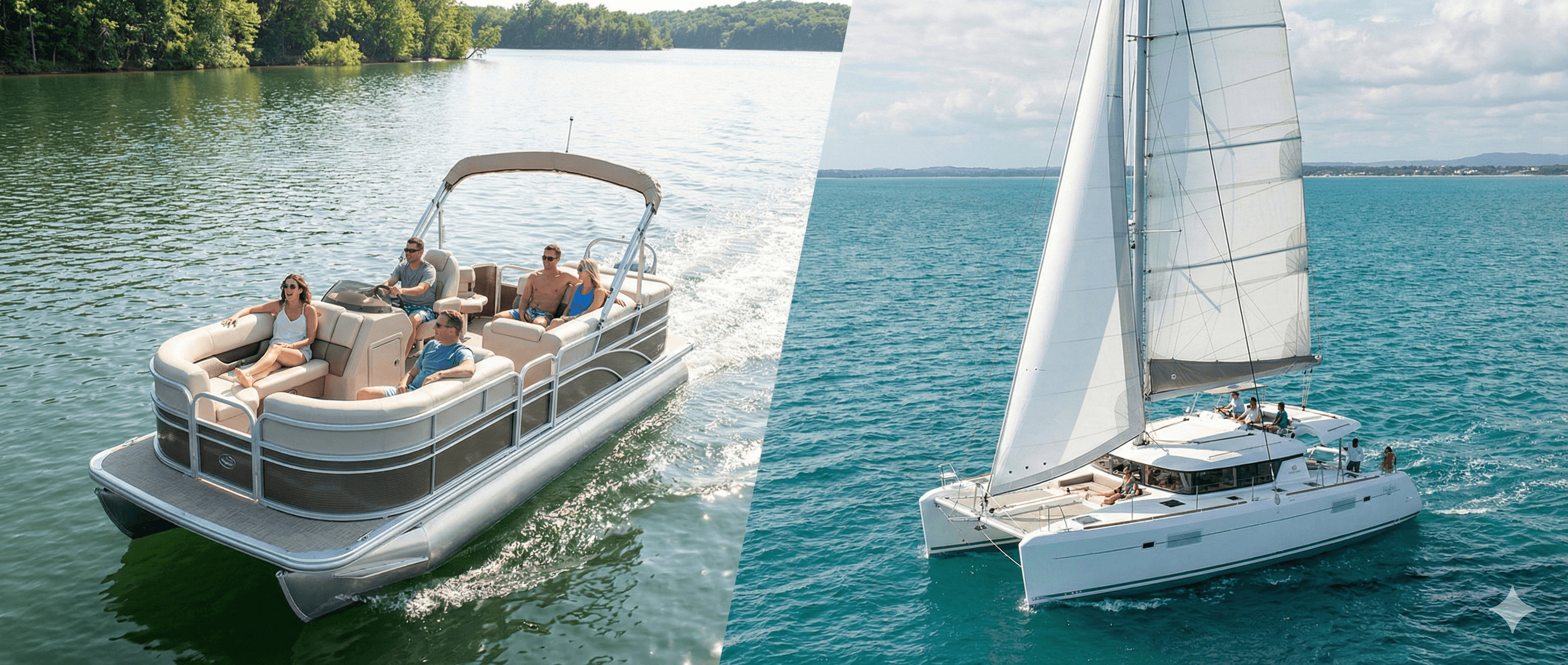
You can use a regular recreational boat. This is huge. You can buy a standard center console, pontoon, or deck boat and use it for charter. No special construction requirements. No USCG-approved plans. This dramatically lowers your startup cost.
Insurance is more manageable. Six-Pack charter insurance runs $2,000 to $6,000 per year for most vessels. Still not cheap, but a fraction of what COI vessels cost to insure.
What a COI Vessel Is
COI stands for Certificate of Inspection. A COI vessel is a boat that has been inspected and certified by the United States Coast Guard to carry more than six passengers for hire.
If you want to carry 7 or more paying passengers on a single trip, you need a COI vessel. Period. There is no workaround, no loophole, no gray area. Seven passengers means COI.
Here's what that involves:
The boat must be built or modified to USCG standards. This isn't just a matter of having enough life jackets. The vessel's construction, stability, fire suppression, electrical systems, fuel systems, and structural integrity all have to meet specific Coast Guard regulations in 46 CFR Subchapter T (for vessels under 100 gross tons carrying up to 150 passengers).
You need a formal inspection. A USCG marine inspector will examine the vessel thoroughly. They'll review construction plans, conduct stability testing (inclining experiment), test all safety systems, and verify compliance with fire protection, ventilation, and structural standards. This process can take weeks or months.
Annual reinspection is required. Every year, the Coast Guard comes back and inspects the vessel again. If something doesn't pass, you can't operate until it's fixed. This creates an ongoing compliance obligation.
The captain needs a higher license. To operate a COI vessel, the captain typically needs a Master license (not just OUPV). The tonnage and route on the license must cover the vessel and operating area. A Master license requires more sea time, a harder exam, and additional endorsements.
Drydock inspections every few years. COI vessels must be hauled out for below-waterline inspection on a schedule set by the Coast Guard, typically every 1 to 5 years depending on vessel construction.
The Real Cost Difference
Let me lay out what this looks like in dollars, because this is where a lot of business plans get a reality check.
Six-Pack Startup Costs (Typical)
| Item | Cost Range |
|---|---|
| Used boat (pontoon/center console) | $20,000 - $60,000 |
| OUPV license (course + testing) | $1,500 - $3,000 |
| Safety equipment | $500 - $1,500 |
| Insurance (annual) | $2,000 - $6,000 |
| State/local permits | $200 - $1,000 |
| Total first year | $24,200 - $71,500 |
COI Vessel Startup Costs (Typical)
| Item | Cost Range |
|---|---|
| COI-certified vessel (used) | $75,000 - $300,000+ |
| Master license (if not already held) | $3,000 - $6,000 |
| Initial COI inspection process | $5,000 - $20,000 |
| Stability testing | $3,000 - $8,000 |
| Safety equipment (to COI standards) | $3,000 - $10,000 |
| Insurance (annual) | $8,000 - $25,000+ |
| State/local permits | $500 - $2,000 |
| Total first year | $97,500 - $371,000+ |
That's not a typo. A COI operation can cost 3 to 5 times what a Six-Pack operation costs to launch. The vessel alone is the biggest factor because boats built or converted to COI standards command a significant premium.
When Six-Pack Makes Sense
For most new tour operators, Six-Pack is the right starting point. Here's why.
You're testing the market. If you're not sure whether your tour concept will work in your market, risking $30,000 on a Six-Pack setup is a lot smarter than risking $150,000 on a COI vessel. Prove the concept first, scale later.
Your tours work with small groups. Fishing charters, eco-tours, sunset cruises for couples, photography excursions, and specialty tours often work perfectly at 6 passengers or fewer. Some operators deliberately keep groups small and charge a premium for the intimate experience.
You're a solo operator. If it's just you running the boat, Six-Pack keeps things simple. No crew requirements beyond yourself, minimal paperwork, and straightforward compliance.
Your margins work at small scale. Run the math. If you can charge $75 to $100 per person for a 2-hour tour with 6 passengers, that's $450 to $600 per trip. Three trips a day, five days a week, 20 weeks per season: that's $135,000 to $180,000 in gross revenue. For many markets, those numbers work.
When You Need COI
Sometimes Six-Pack just isn't enough. Here are the situations where COI is the right call.
You need volume to make the economics work. In some markets, especially party boat and sightseeing markets, the per-person price point is $30 to $50. At those prices, you need 15 to 30 passengers per trip to generate meaningful revenue. That means COI.
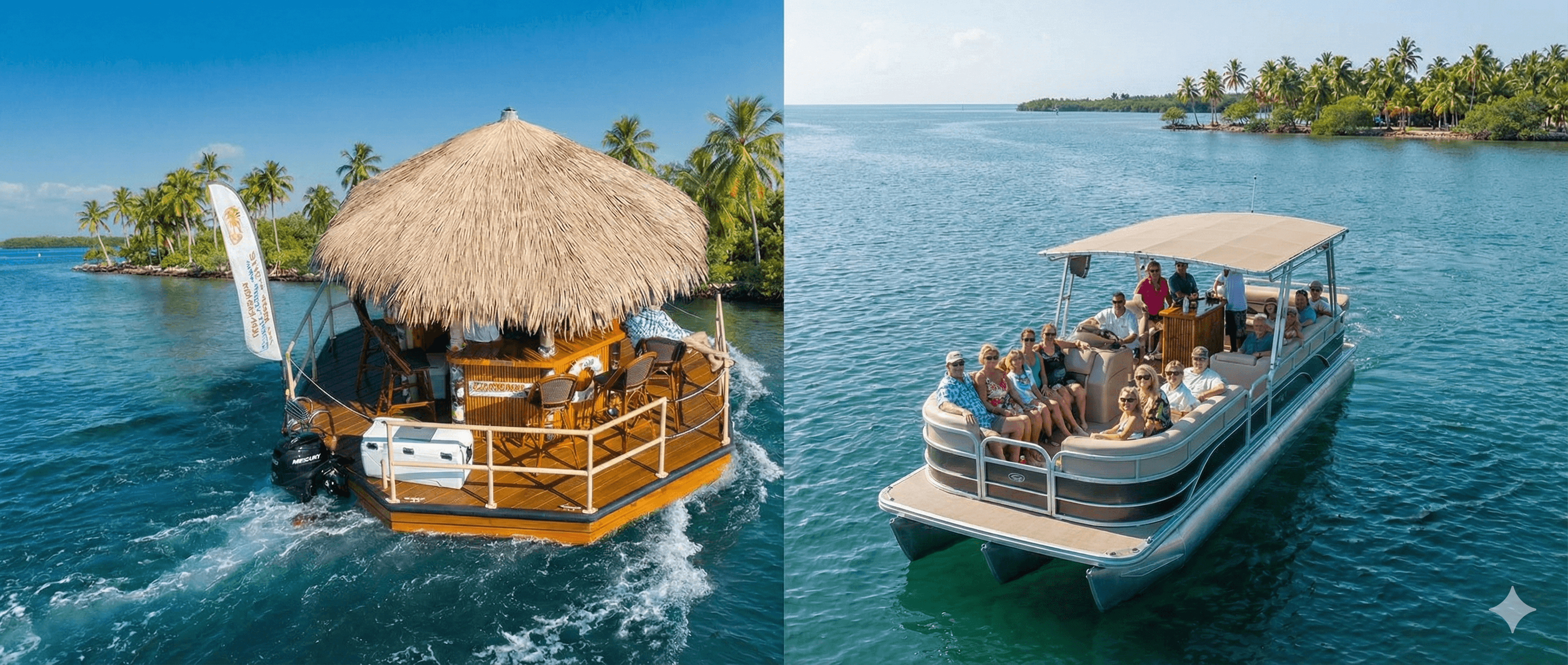
You're running a dinner cruise, party boat, or large sightseeing operation. These businesses are built around group size. A tiki boat with 16 seats, a dinner cruise with 40 passengers, a glass-bottom boat with 20 tourists. None of these work under Six-Pack limits.
You're buying an existing tour operation. If you're acquiring a business that already runs COI vessels, you're inheriting that framework. Make sure the COI is current and the vessel is in compliance before closing the deal.
Your competition runs larger boats. If every other tour operator in your market is running 20-passenger boats and you show up with a 6-passenger operation, you may struggle to compete on availability and booking platforms that favor operators who can accommodate larger groups.
The Gray Areas (and Why You Should Avoid Them)
I need to address this because I see it come up constantly in operator forums.
"Can I just run two Six-Pack boats at the same time?" Technically, yes. You can operate multiple Six-Pack vessels with separate captains. But the Coast Guard takes a very dim view of operators who appear to be splitting groups to avoid COI requirements. If you're advertising a "12-person sunset cruise" and then splitting the group across two boats, you're inviting scrutiny. Run separate, independently bookable tours on separate boats and you're fine.
"What about bareboat charters?" A bareboat charter is when you rent the boat without a captain, and the renter operates it themselves. This has different rules and doesn't require the operator to hold a captain's license. Some businesses use this model for pontoon rentals and similar operations. But if you're providing a captain or crew, it's not bareboat. Don't play games with this distinction.
"My boat is on a lake, not the ocean. Does the Coast Guard care?" Yes. USCG jurisdiction covers all navigable waters of the United States, which includes most lakes, rivers, and inland waterways. Some smaller bodies of water may fall under state jurisdiction only, but don't assume. Check with your local Coast Guard sector office before making assumptions.
"I'll just carry 6 passengers and not bother with any of this." You still need the OUPV license if you're carrying passengers for hire. Operating without a license is a federal offense, and the Coast Guard does enforcement. They board vessels, check credentials, and issue violations. The fines start at $10,000 per incident and go up from there.
Buying a Boat: What to Look For
If you've decided which route you're going, here's what to look for when shopping.
Shopping for a Six-Pack Boat
Good news: your options are wide open. Any seaworthy recreational vessel can work. Focus on:
- Stability and deck space. Passengers need room to move around safely. A cramped boat makes for a bad tour experience.
- Shade. A bimini top or hardtop is essential in most markets. Sunburned tourists don't leave good reviews.
- Engine reliability. You're running this boat 4 to 6 hours a day, 5+ days a week. Buy a boat with a proven, maintainable engine. This is not the time to experiment with a bargain motor.
- Coast Guard safety equipment. You'll need life jackets for every passenger, fire extinguishers, a throwable flotation device, visual distress signals, a sound-producing device, and navigation lights. Budget for quality gear.
Shopping for a COI Vessel
This is a completely different search. You need to verify:
- Active COI status. Ask to see the current Certificate of Inspection. Verify it with the Coast Guard. An expired COI means the vessel needs reinspection, which could uncover expensive problems.
- Inspection history. Request the vessel's complete inspection file from the Coast Guard. This documents every deficiency ever noted and whether it was corrected.
- Stability letter. A COI vessel has a stability letter that specifies the maximum number of passengers, operating conditions, and route limitations. Make sure this matches your business plan.
- Construction documentation. Hull plans, fire protection plans, electrical schematics. These should all be on file.
- Drydock schedule. When is the next drydock due? This can cost $5,000 to $30,000+ depending on vessel size, and it's not optional.
When you find a used COI vessel on the market, the listing price is just the starting point. Factor in the cost of any deferred maintenance, upcoming inspections, and required upgrades. A boat with a current COI and clean inspection history is worth significantly more than one with an expired certificate and a list of outstanding deficiencies.
The Licensing Path
Whatever route you choose, here's the licensing timeline.
OUPV / Six-Pack License
- Document your sea time. You need 360 days on the water, with 90 in the last 3 years. Time on recreational boats counts.
- Take a prep course. USCG-approved courses run $800 to $2,500 and typically take 1 to 2 weeks. Some are available online.
- Pass the exam. Multiple sections covering navigation, rules of the road, safety, and seamanship. The pass rate is reasonable if you've done the coursework.
- Complete the medical physical and drug test.
- Submit your application to the National Maritime Center. Processing takes 4 to 8 weeks.
Total timeline: 2 to 4 months if you already have the sea time.
Master License (for COI vessels)
Everything above, plus:
- More sea time. 360 days total with additional requirements for tonnage and route.
- Harder exam. More sections, more detailed questions.
- Tonnage endorsement. Your license tonnage must cover the vessel you plan to operate.
- Possible STCW certification depending on your vessel size and route.
Total timeline: 4 to 12 months depending on your starting experience level.
My Honest Advice for New Operators
Start with Six-Pack unless you have a very specific reason to go COI from day one. Here's the path I'd recommend:
- Get your OUPV license. Even if you eventually plan to run COI vessels, this is worth having.
- Buy a solid used boat that fits your market. Don't overbuy. A $25,000 pontoon can generate the same revenue per passenger as a $100,000 one.
- Run Six-Pack tours for at least one full season. Learn the business, build your reviews, understand your market, and bank some profit.
- If demand justifies it, upgrade to COI. Use your first-season revenue and experience to inform the decision. You'll know exactly how many passengers you're turning away and whether a larger vessel pencils out.
- When you upgrade, sell your Six-Pack boat to the next person starting out. The used market for proven tour boats is strong.
The operators I've seen fail are usually the ones who went big before they went smart. A Six-Pack operation that's profitable in year one is a much better foundation than a COI operation that's bleeding cash because the captain bought too much boat for the market.
Where to Find Tour Boats
Whether you're shopping for a recreational boat to run Six-Pack charters or a certified COI vessel, check what's available in your target market first. Local boats save you thousands in transport costs and often come from operators who understand the local conditions.
Browse boats and watercraft for sale on ListMyFleet, or check your local market page to see what's available nearby. Use the Price Checker to research current pricing before you start negotiating.